Die beste Kissenfüllung gibt es nicht als Einheitslösung — Daunen, Federn, Mikrofaser, Memory Foam und Latex bieten jeweils eigene Vorteile. Ihre Schlafposition, vorhandene Allergien und Ihre Pflegebereitschaft entscheiden, welches Material zu Ihnen passt.
Dieser Kissenfüllung Vergleich zeigt Ihnen 5 Hauptarten von Füllmaterial mit konkreten Zahlen zu Gewicht, Waschtemperatur und Lebensdauer. Sie erfahren außerdem, welche Füllung zu Ihrer Schlafposition passt und wie Sie das Material richtig pflegen.
Kissenfüllung Vergleich: Was ist die beste Füllung?
Synthetische Hohlfaserkissen eignen sich für die meisten Schläfer, während Daunenkissen luxuriösen Komfort für Rücken- und Bauchschläfer bieten. Memory Foam und Latex passen zu Seitenschläfern mit Nackenproblemen. Naturmaterialien wie Dinkelspelz, Hirse und Kapok sprechen Menschen an, die eine feste Stütze bevorzugen.
Jede Kissenfüllung unterscheidet sich in 4 Kernbereichen: Härtegrad, Atmungsaktivität, Pflegeaufwand und Preis. Ein Kissen mit 800 Gramm (1,76 lb) Daunenfüllung fühlt sich völlig anders an als ein Kissen mit 600 Gramm (1,32 lb) Hohlfaser. Die Füllmenge bestimmt zusammen mit dem Material die Stützkraft für Kopf und Nacken.
Der Kissenbezug beeinflusst zusätzlich das Liegegefühl, auch wenn die Füllung den größten Unterschied macht. Ein Bezug aus Baumwoll-Jersey mit 160 g/m² Grammatur unterstützt die Atmungsaktivität jeder Füllung. Achten Sie beim Kauf auf beide Komponenten gemeinsam, nicht nur auf das Füllmaterial allein.
Ein Kissenfüllung Vergleich lohnt sich besonders vor dem Kauf eines neuen Hauptkissens, da der Unterschied im Schlafkomfort erheblich ausfällt. Käufer verwechseln häufig Füllmenge mit Füllqualität, obwohl beide Faktoren getrennt zu bewerten sind. Ein leichtes Kissen mit 400 Gramm (0,88 lb) hochwertiger Daune stützt oft besser als ein schweres Kissen mit 900 Gramm (1,98 lb) minderwertiger Faser.
Preis und Qualität hängen bei Kissenfüllungen nicht immer zusammen. Ein Hohlfaserkissen für 15 Euro (17 US-Dollar) mit Silikonbeschichtung übertrifft manches Daunenkissen für 60 Euro (66 US-Dollar) in Sachen Formstabilität. Lesen Sie deshalb immer die Materialangaben genau, statt sich allein am Preis zu orientieren.
Daunen und Federn: Natürliche Kissenfüllung im Detail
Daunenkissen bieten das weichste Liegegefühl unter allen natürlichen Füllungen, während Federn für mehr Stabilität sorgen. Beide Materialien stammen aus dem Untergefieder und Federkleid von Gänsen und Enten. Hersteller mischen häufig 90 Prozent Federn mit 10 Prozent Daunen für ein ausgewogenes Verhältnis aus Weichheit und Stützkraft.
Eiderdaunen bilden die Luxusvariante unter den Naturfüllungen. Diese Daunen der isländischen Eiderente speichern durch ihren größeren Durchmesser deutlich mehr Wärme. Sie benötigen dadurch weniger Füllmaterial für denselben Wärmeeffekt, kosten aber auch mehr als Standarddaunen.
Vorteile von Daunenkissen
Daunenkissen passen sich der Kopfform gut an und fühlen sich luxuriös weich an. Die Atmungsaktivität bleibt hoch, da die feinen Fasern Feuchtigkeit gut ableiten. Hochwertige Daunenkissen halten bei richtiger Pflege 5 bis 8 Jahre und behalten dabei ihre Form.
Die Füllkraft, gemessen in Kubikzoll pro Unze, bestimmt die Qualität einer Daunenfüllung maßgeblich. Werte ab 550 gelten als gut, Werte ab 700 als Premium-Qualität für Luxuskissen. Ein höherer Füllkraft-Wert bedeutet, dass weniger Gramm Daune mehr Volumen und Wärme erzeugen.
Nachteile von Federkissen
Federkissen verlieren mit der Zeit an Volumen und benötigen tägliches Aufschütteln. Sie eignen sich nicht für Allergiker, sofern der Hersteller keine spezielle Reinigung wie Sterilisation garantiert. Die Anschaffungskosten liegen bei 40 bis 150 Euro (44 bis 165 US-Dollar) für ein Standardkissen von 80 x 80 cm (31,5 x 31,5 Zoll).
Die Herkunft der Federn spielt für die Qualität eine große Rolle. Halbweiße Gänse- und Entenfedern aus deutscher und europäischer Herstellung gelten als besonders elastisch. Achten Sie auf Angaben zur Tierhaltung, da Billigware oft aus Massentierhaltung ohne Tierwohlstandards stammt.
Ein Daunenkissen benötigt regelmäßiges Lüften an der frischen Luft, um Feuchtigkeit abzugeben. Legen Sie das Kissen alle 2 Wochen für 2 bis 3 Stunden ins Freie. Diese einfache Maßnahme verlängert die Lebensdauer der Füllung spürbar und verhindert unangenehme Gerüche.
Synthetische Kissenfüllung: Mikrofaser, Polyester und Hohlfaser
Synthetische Kissenfüllung aus Polyester bietet die einfachste Pflege unter allen Materialien. Hersteller verarbeiten die Fasern als Flocken oder als Hohlfaserkugeln. Diese Kugeln behalten ihre Form länger als flache Fasern und verklumpen seltener beim Waschen.
Ein Kissen mit Mikrofaserfüllung wiegt meist zwischen 500 und 800 Gramm (1,1 bis 1,76 lb). Die Preise starten bei 10 Euro (11 US-Dollar) und bleiben damit deutlich unter Daunenkissen. Marken wie Sensalux, sleepling und Feluna bieten waschbare Hohlfaserfüllung in 1-Kilogramm-Beuteln (2,2 lb) an.
Hohlfaserkugeln im Vergleich zu Flocken
Hohlfaserkugeln bestehen aus silikonisierten Polyesterfasern mit hohem Volumen bei geringem Gewicht. Sie behalten ihre Struktur auch nach 30 Waschgängen bei 60 Grad Celsius (140 Grad Fahrenheit). Flache Faserflocken verklumpen dagegen schneller und verlieren früher an Stützkraft.
Öko-Tex Zertifizierung bei synthetischer Füllung
Öko-Tex Standard 100 zertifizierte Füllungen garantieren die Freiheit von über 100 Schadstoffen wie Formaldehyd und Pestiziden. Diese Zertifizierung macht synthetische Kissen zur sicheren Wahl für Babys, Kinder und Allergiker. Prüfen Sie das Etikett vor dem Kauf auf dieses Prüfsiegel.
Mikroperlen aus Polystyrol (EPS) bilden eine weitere synthetische Variante mit besonderer Anpassungsfähigkeit. Die kleinen Kügelchen formen sich exakt nach Kopf und Nacken und bleiben dabei fast geräuschlos. Ein separates Innenkissen verhindert, dass die Perlen durch den Bezug wandern und sich in der Wohnung verteilen.
Recycelte Polyesterfasern gewinnen bei umweltbewussten Käufern an Bedeutung. Hersteller stellen diese Fasern aus PET-Flaschen her und reduzieren so den Rohstoffverbrauch. Die Stützkraft unterscheidet sich kaum von neuwertigem Polyester, der Preis liegt meist 10 bis 20 Prozent höher.
Memory Foam und Viscoschaum als Kissenfüllung
Memory-Schaum passt sich langsam an die Körperwärme an und stützt Kopf sowie Nacken gleichmäßig. Das Material reagiert auf Druck und Temperatur, wodurch es sich individuell formt. Diese Eigenschaft macht Memory-Foam-Kissen besonders für Menschen mit Nackenproblemen interessant.
Der größte Nachteil liegt in der geringen Atmungsaktivität. Viele Schläfer empfinden Memory-Foam-Kissen als zu warm, besonders in den Sommermonaten. Die Bewegungsfreiheit bleibt eingeschränkt, da sich der Schaum nur langsam zurückformt, was manche Nutzer als unangenehm empfinden.
Memory-Foam-Kissen wiegen zwischen 700 Gramm und 1,2 Kilogramm (1,5 bis 2,6 lb). Der Preis beginnt bei 25 Euro (28 US-Dollar) für Einsteigermodelle und steigt bei geformten Nackenkissen deutlich an.
Gel-Memory-Foam kombiniert den klassischen Schaum mit eingearbeiteten Kühlperlen oder Gelschichten. Diese Technik reduziert den Wärmestau um mehrere Grad im Vergleich zu reinem Memory Foam. Käufer mit starkem Schwitzen im Schlaf profitieren besonders von dieser Variante.
Ergonomisch geformte Nackenkissen aus Memory Foam bieten zusätzliche Mulden für Schulter und Nacken. Diese Kissen passen sich besonders gut an Seitenschläfer und Menschen mit Verspannungen an. Der Härtegrad variiert zwischen Modellen von HR35 bis HR50, wobei höhere Werte für mehr Stützkraft stehen.
Latex-Kissenfüllung: Elastisch und formstabil
Naturlatex bietet die beste Kombination aus Elastizität und Milbenresistenz unter allen Kissenfüllungen. Latexkissen behalten ihre Form über 6 bis 10 Jahre, deutlich länger als Faserkissen. Das Material eignet sich gut für Rücken- und Seitenschläfer.
Latexkissen wiegen zwischen 1 und 1,5 Kilogramm (2,2 bis 3,3 lb) und damit spürbar mehr als synthetische Alternativen. Der höhere Preis von 50 bis 120 Euro (55 bis 132 US-Dollar) spiegelt die längere Haltbarkeit wider. Menschen mit Latexallergie sollten dieses Material meiden und stattdessen auf Hohlfaser oder Daunen ausweichen.
Zwei Herstellungsverfahren prägen den Latexmarkt: Naturlatex aus dem Saft des Gummibaums und synthetischer Latex aus Erdöl-Derivaten. Naturlatex bietet die bessere Ökobilanz und höhere Atmungsaktivität durch die typische Wabenstruktur. Synthetischer Latex kostet weniger, erreicht aber nicht dieselbe Langlebigkeit.
Perforierte Latexkissen mit sichtbaren Luftlöchern verbessern die Luftzirkulation deutlich. Diese Bauweise verhindert Wärmestau und eignet sich für warme Schlafzimmer ohne Klimaanlage. Massivlatex ohne Perforation bietet dagegen die höchste Stützkraft für schwere Schläfer über 90 Kilogramm (198 lb).
Welche Kissenfüllung passt zu welcher Schlafposition?
Ihre Schlafposition bestimmt die ideale Kissenhöhe und damit die passende Füllung. Seitenschläfer benötigen mehr Stützhöhe als Rücken- oder Bauchschläfer. Falsche Füllmengen führen häufig zu Nackenschmerzen und schlechter Schlafqualität.
Kissenfüllung für Seitenschläfer
Seitenschläfer brauchen eine feste, hohe Füllung, damit die Wirbelsäule gerade bleibt. Memory Foam und Latex füllen den Abstand zwischen Schulter und Kopf zuverlässig aus. Eine Kissenhöhe von 12 bis 15 cm (4,7 bis 5,9 Zoll) funktioniert für die meisten Körpergrößen.
Kissenfüllung für Rücken- und Bauchschläfer
Rückenschläfer profitieren von mittelfesten Füllungen wie gemischten Daunen-Feder-Kissen. Bauchschläfer benötigen die flachste und weichste Variante, etwa dünne Hohlfaserkissen mit 300 Gramm (0,66 lb) Füllgewicht. Eine zu hohe Füllung knickt bei dieser Position den Nacken unnötig ab.
Körpergewicht und Schulterbreite beeinflussen die ideale Füllmenge zusätzlich zur Schlafposition. Schwere Schläfer über 90 Kilogramm (198 lb) benötigen meist eine festere Füllung, damit das Kissen nicht komplett zusammensinkt. Leichte Personen unter 60 Kilogramm (132 lb) kommen dagegen mit weniger Füllmaterial aus.
Kissenfüllung Vergleich: Tabelle nach Härtegrad, Pflege und Preis
Diese Tabelle fasst die 5 wichtigsten Kissenfüllungen mit ihren zentralen Eigenschaften zusammen.
Nutzen Sie diesen Kissenfüllung Vergleich als schnelle Orientierung, wenn Sie mehrere Materialien direkt gegenüberstellen möchten. Die Spalte Waschtemperatur zeigt sofort, welche Füllung sich für Allergiker mit hohem Hygienebedarf eignet. Die Preisspanne bezieht sich auf Standardkissen der Größe 80 x 80 cm (31,5 x 31,5 Zoll), Stand August 2026.
|
Füllung |
Härtegrad |
Waschtemperatur |
Lebensdauer |
Preis ab |
|
Daunen/Federn |
Weich bis mittel |
30-60°C (86-140°F) |
5-8 Jahre |
40 € (44 $) |
|
Hohlfaser/Polyester |
Weich bis mittel |
60-95°C (140-203°F) |
2-4 Jahre |
10 € (11 $) |
|
Memory Foam |
Mittel bis fest |
Punktuelle Reinigung |
3-5 Jahre |
25 € (28 $) |
|
Latex |
Mittel |
Punktuelle Reinigung |
6-10 Jahre |
50 € (55 $) |
|
Dinkelspelz |
Fest |
Nicht waschbar |
3-5 Jahre |
20 € (22 $) |
Wie pflegen Sie Ihre Kissenfüllung richtig?
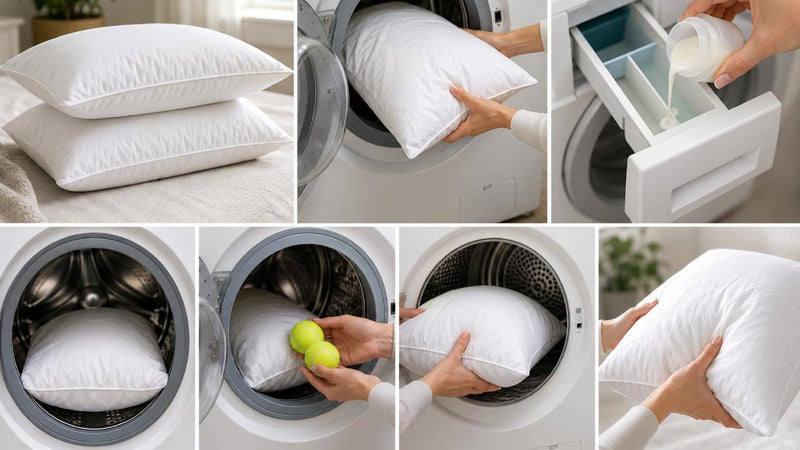
So pflegen Sie Ihre Kissenfüllung richtig: Prüfen Sie zuerst das Pflegeetikett für die maximale Waschtemperatur. Synthetische Füllungen vertragen bis zu 95 Grad Celsius (203 Grad Fahrenheit), Daunenkissen meist nur 30 bis 60 Grad Celsius (86 bis 140 Grad Fahrenheit). Fügen Sie 2 bis 3 Trocknerbälle hinzu, um Klumpenbildung während des Trocknens zu verhindern.
Trocknen Sie das Kissen vollständig, bevor Sie es weiter verwenden. Restfeuchte in der Füllung begünstigt Milben und Schimmelbildung im Kissenkern. Diese Aufgabenübersicht zeigt Ihnen, wie oft welche Pflegeschritte nötig sind.
|
Aufgabe |
Zeitpunkt |
Methode |
Schwierigkeit |
|
Kissen aufschütteln |
Täglich |
Von Hand kneten und aufschütteln |
Leicht |
|
Kissen lüften |
Wöchentlich |
An der frischen Luft auslüften |
Leicht |
|
Kissenbezug waschen |
Alle 1-2 Wochen |
Maschinenwäsche bei 60°C (140°F) |
Leicht |
|
Kissenfüllung waschen |
Alle 3-6 Monate |
Maschinenwäsche je nach Material |
Mittel |
|
Kissenfüllung austauschen |
Alle 2-3 Jahre |
Kissen komplett ersetzen |
Leicht |
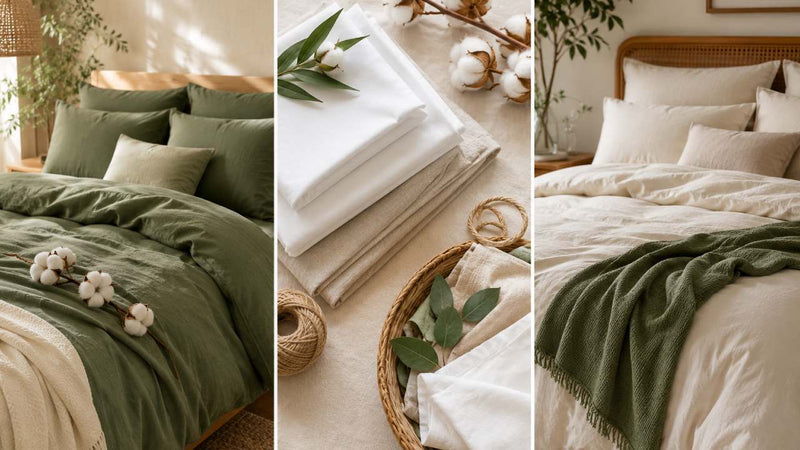
Ein Bezug aus Kissenbezüge aus Baumwoll-Jersey schützt die Füllung zusätzlich vor Schweiß und Hautschuppen. Eine ausführliche Anleitung zum Kopfkissen richtig waschen zeigt jeden Schritt im Detail, inklusive Schleuderzahl und Trocknerprogramm.
Dinkelspelz, Hirse und Kapok als natürliche Alternative
Naturmaterialien wie Dinkelspelz, Hirse und Kapok bieten eine feste, temperaturausgleichende Stütze für den Kopf. Diese Füllungen passen sich der Kontur des Kopfes exakt an und reagieren sofort auf jede Bewegung. Sie eignen sich besonders für Menschen, die bewusst fest schlafen möchten.
Dinkelspelzkissen wiegen zwischen 2 und 4 Kilogramm (4,4 bis 8,8 lb) und damit deutlich mehr als jede andere Füllung. Das Rieseln der Spelzen beim Bewegen stört manche Schläfer, andere empfinden es als beruhigend. Waschen Sie den Spelz nicht in der Maschine, sondern lüften Sie ihn regelmäßig an der frischen Luft.
Kapok stammt aus den Samenkapseln des Kapokbaums und bietet eine leichtere Alternative zu Dinkelspelz. Diese pflanzliche Faser bleibt bei ähnlicher Stützkraft deutlich leichter, bei etwa 800 Gramm bis 1,2 Kilogramm (1,76 bis 2,6 lb) pro Kissen. Zirbenspäne ergänzen häufig Dinkel- oder Kapokfüllungen und sollen durch ätherische Öle den Schlaf zusätzlich unterstützen.
Welche Kissenfüllung eignet sich für Allergiker?
Hochwertige synthetische Füllungen und Latex eignen sich am besten für Allergiker. Diese Materialien bieten Milben und Bakterien keinen Nährboden und lassen sich bei hohen Temperaturen waschen. Öko-Tex Standard 100 zertifizierte Produkte garantieren zusätzlich die Freiheit von Schadstoffen.
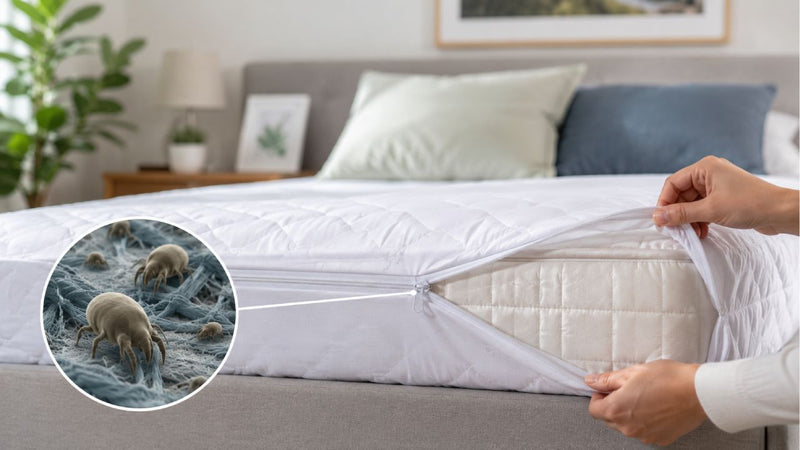
Daunenkissen benötigen spezielle milbendichte Bezüge, um für Allergiker geeignet zu sein. Ohne diesen Schutz sammeln sich in ungewaschenen Daunenkissen schnell Hausstaubmilben und deren Ausscheidungen. Prüfen Sie vor dem Kauf, welche Größe zu Ihrer Matratze und Ihrem Kissenbezug passt — unserem Größen-Guide hilft bei der Auswahl der passenden Maße für 40 x 40 cm (15,7 x 15,7 Zoll) bis 80 x 80 cm (31,5 x 31,5 Zoll) Kissen.
FAQ: Häufige Fragen zur Kissenfüllung
Welche Kissenfüllung ist die beste für Allergiker?
Ja, synthetische Hohlfaserfüllung und Latex eignen sich am besten für Allergiker. Beide Materialien lassen sich bei hohen Temperaturen waschen.
Hält eine Daunenkissenfüllung länger als eine Federkissenfüllung?
Ja, reine Daunenfüllung hält meist 6 bis 8 Jahre, während Federkissen nach 4 bis 5 Jahren an Volumen verlieren.
Can you machine wash memory foam pillow filling?
No, memory foam cannot be machine washed. Clean the cover separately and spot clean the foam core with a damp cloth only.
Is hollow fiber filling as soft as down?
No, hollow fiber filling feels firmer than high-quality down. However, premium hollow fiber with silicone coating comes close to the softness of down.
How often should you replace pillow filling?
Every 2 to 3 years, most pillow fillings noticeably lose their support and hygiene, regardless of the material.
Conclusion: The right pillow filling for your sleep
The right pillow filling depends on 3 factors: your sleeping position, existing allergies, and your desired care effort. Try synthetic hollow fiber for easy-care comfort or down for a luxurious feel. Latex and memory foam offer the best solution for neck problems and side sleepers.
A careful pillow filling comparison saves you money in the long run by avoiding bad purchases and correctly assessing the pillow's lifespan. Always combine the right filling with a high-quality cover for optimal hygiene. This way, you will achieve a noticeable improvement in your sleep quality within a few nights.
Discover suitable cotton jersey pillowcases at Terra Beds for additional protection and noticeable comfort. Our Oeko-Tex certified materials optimally complement any pillow filling.
There is no one-size-fits-all best pillow filling – down, feathers, microfiber, memory foam, and latex each offer their own advantages. Your sleeping position, existing allergies, and willingness to care for it determine which material suits you.
This pillow filling comparison shows you 5 main types of filling material with specific figures for weight, washing temperature, and lifespan. You will also learn which filling suits your sleeping position and how to care for the material correctly.
Pillow filling comparison: What is the best filling?
Synthetic hollow fiber pillows are suitable for most sleepers, while down pillows offer luxurious comfort for back and stomach sleepers. Memory foam and latex are suitable for side sleepers with neck problems. Natural materials such as spelt husks, millet, and kapok appeal to people who prefer firm support.
Each pillow filling differs in 4 key areas: firmness, breathability, care effort, and price. A pillow with 800 grams (1.76 lb) of down filling feels completely different from a pillow with 600 grams (1.32 lb) of hollow fiber. The filling quantity, together with the material, determines the support for the head and neck.
The pillowcase also influences the sleeping experience, even if the filling makes the biggest difference. A cotton jersey cover with 160 g/m² grammage supports the breathability of any filling. When buying, pay attention to both components together, not just the filling material alone.
A pillow filling comparison is particularly worthwhile before buying a new main pillow, as the difference in sleeping comfort is considerable. Buyers often confuse filling quantity with filling quality, although both factors should be evaluated separately. A light pillow with 400 grams (0.88 lb) of high-quality down often supports better than a heavy pillow with 900 grams (1.98 lb) of inferior fiber.
Price and quality are not always related in pillow fillings. A hollow fiber pillow for 15 Euros (17 US dollars) with silicone coating often outperforms some down pillows for 60 Euros (66 US dollars) in terms of shape retention. Therefore, always read the material specifications carefully instead of relying solely on the price.
Down and feathers: Natural pillow filling in detail
Down pillows offer the softest lying comfort among all natural fillings, while feathers provide more stability. Both materials come from the underdown and plumage of geese and ducks. Manufacturers often mix 90 percent feathers with 10 percent down for a balanced ratio of softness and support.
Eiderdown is the luxury variant among natural fillings. These down from the Icelandic eider duck store significantly more warmth due to their larger diameter. They therefore require less filling material for the same thermal effect, but also cost more than standard down.
Advantages of down pillows
Down pillows adapt well to the shape of the head and feel luxuriously soft. The breathability remains high, as the fine fibers wick away moisture well. High-quality down pillows last 5 to 8 years with proper care and retain their shape.
The fill power, measured in cubic inches per ounce, largely determines the quality of a down filling. Values from 550 are considered good, values from 700 are considered premium quality for luxury pillows. A higher fill power value means that fewer grams of down generate more volume and warmth.
Disadvantages of feather pillows
Feather pillows lose volume over time and require daily shaking. They are not suitable for allergy sufferers, unless the manufacturer guarantees special cleaning such as sterilization. The purchase costs are between 40 and 150 Euros (44 to 165 US dollars) for a standard pillow of 80 x 80 cm (31.5 x 31.5 inches).
The origin of the feathers plays a big role in quality. Semi-white goose and duck feathers from German and European production are considered particularly elastic. Pay attention to information on animal welfare, as cheap goods often come from factory farming without animal welfare standards.
A down pillow needs regular airing in the fresh air to release moisture. Place the pillow outdoors for 2 to 3 hours every 2 weeks. This simple measure significantly extends the life of the filling and prevents unpleasant odors.
Synthetic pillow filling: Microfiber, polyester and hollow fiber
Synthetic pillow filling made of polyester offers the easiest care among all materials. Manufacturers process the fibers as flakes or as hollow fiber balls. These balls retain their shape longer than flat fibers and clump less often when washed.
A pillow with microfiber filling usually weighs between 500 and 800 grams (1.1 to 1.76 lb). Prices start at 10 Euros (11 US dollars) and are thus significantly lower than down pillows. Brands such as Sensalux, sleepling and Feluna offer washable hollow fiber filling in 1-kilogram bags (2.2 lb).
Hollow fiber balls compared to flakes
Hollow fiber balls consist of siliconized polyester fibers with a high volume at low weight. They retain their structure even after 30 washes at 60 degrees Celsius (140 degrees Fahrenheit). Flat fiber flakes, on the other hand, clump faster and lose their support sooner.
Oeko-Tex certification for synthetic filling
Oeko-Tex Standard 100 certified fillings guarantee freedom from over 100 harmful substances such as formaldehyde and pesticides. This certification makes synthetic pillows a safe choice for babies, children and allergy sufferers. Check the label for this seal before buying.
Microbeads made of polystyrene (EPS) form another synthetic variant with particular adaptability. The small beads precisely adapt to the head and neck and remain almost silent. A separate inner pillow prevents the beads from migrating through the cover and spreading throughout the home.
Recycled polyester fibers are gaining importance among environmentally conscious buyers. Manufacturers produce these fibers from PET bottles, thus reducing raw material consumption. The support hardly differs from new polyester, the price is usually 10 to 20 percent higher.
Memory foam and viscoelastic foam as pillow filling
Memory foam slowly adapts to body heat and evenly supports the head and neck. The material reacts to pressure and temperature, causing it to individually conform. This property makes memory foam pillows particularly interesting for people with neck problems.
The biggest disadvantage lies in the low breathability. Many sleepers find memory foam pillows too warm, especially in the summer months. Freedom of movement remains restricted, as the foam slowly returns to its original shape, which some users find uncomfortable.
Memory foam pillows weigh between 700 grams and 1.2 kilograms (1.5 to 2.6 lb). The price starts at 25 Euros (28 US dollars) for entry-level models and increases significantly for molded neck pillows.
Gel memory foam combines classic foam with integrated cooling beads or gel layers. This technique reduces heat build-up by several degrees compared to pure memory foam. Buyers who sweat heavily during sleep particularly benefit from this variant.
Ergonomically shaped neck pillows made of memory foam offer additional depressions for the shoulder and neck. These pillows are particularly well suited for side sleepers and people with tension. The firmness varies between models from HR35 to HR50, with higher values indicating more support.
Latex pillow filling: Elastic and dimensionally stable
Natural latex offers the best combination of elasticity and dust mite resistance among all pillow fillings. Latex pillows retain their shape for 6 to 10 years, significantly longer than fiber pillows. The material is well suited for back and side sleepers.
Latex pillows weigh between 1 and 1.5 kilograms (2.2 to 3.3 lb), noticeably more than synthetic alternatives. The higher price of 50 to 120 Euros (55 to 132 US dollars) reflects the longer durability. People with latex allergies should avoid this material and switch to hollow fiber or down instead.
Two manufacturing processes characterize the latex market: natural latex from the sap of the rubber tree and synthetic latex from petroleum derivatives. Natural latex offers a better eco-balance and higher breathability due to its typical honeycomb structure. Synthetic latex costs less but does not achieve the same durability.
Perforated latex pillows with visible air holes significantly improve air circulation. This design prevents heat build-up and is suitable for warm bedrooms without air conditioning. Solid latex without perforation, on the other hand, offers the highest support for heavy sleepers over 90 kilograms (198 lb).
Which pillow filling suits which sleeping position?
Your sleeping position determines the ideal pillow height and thus the suitable filling. Side sleepers need more support height than back or stomach sleepers. Incorrect filling quantities often lead to neck pain and poor sleep quality.
Pillow filling for side sleepers
Side sleepers need a firm, high filling to keep the spine straight. Memory foam and latex reliably fill the gap between the shoulder and head. A pillow height of 12 to 15 cm (4.7 to 5.9 inches) works for most body sizes.
Pillow filling for back and stomach sleepers
Back sleepers benefit from medium-firm fillings such as mixed down-feather pillows. Stomach sleepers need the flattest and softest variant, such as thin hollow fiber pillows with 300 grams (0.66 lb) of filling weight. Too high a filling unnecessarily kinks the neck in this position.
Body weight and shoulder width also influence the ideal filling quantity in addition to the sleeping position. Heavy sleepers over 90 kilograms (198 lb) usually need a firmer filling so that the pillow does not completely collapse. Lighter people under 60 kilograms (132 lb), on the other hand, get by with less filling material.
Pillow filling comparison: Table by firmness, care and price
This table summarizes the 5 most important pillow fillings with their key characteristics.
Use this pillow filling comparison as a quick guide if you want to directly compare several materials. The washing temperature column immediately shows which filling is suitable for allergy sufferers with high hygiene requirements. The price range refers to standard pillows of size 80 x 80 cm (31.5 x 31.5 inches), as of August 2026.
|
Filling |
Firmness |
Washing Temperature |
Lifespan |
Price from |
|
Down/Feathers |
Soft to medium |
30-60°C (86-140°F) |
5-8 years |
40 € (44 $) |
|
Hollow fiber/Polyester |
Soft to medium |
60-95°C (140-203°F) |
2-4 years |
10 € (11 $) |
|
Memory Foam |
Medium to firm |
Spot cleaning |
3-5 years |
25 € (28 $) |
|
Latex |
Medium |
Spot cleaning |
6-10 years |
50 € (55 $) |
|
Spelt husks |
Firm |
Not washable |
3-5 years |
20 € (22 $) |
How to care for your pillow filling properly?
To properly care for your pillow filling: First check the care label for the maximum washing temperature. Synthetic fillings can withstand up to 95 degrees Celsius (203 degrees Fahrenheit), down pillows usually only 30 to 60 degrees Celsius (86 to 140 degrees Fahrenheit). Add 2 to 3 dryer balls to prevent clumping during drying.
Dry the pillow completely before further use. Residual moisture in the filling promotes mites and mold growth in the pillow core. This overview of tasks shows you how often which care steps are necessary.
|
Task |
Timing |
Method |
Difficulty |
|
Fluff pillow |
Daily |
Knead and fluff by hand |
Easy |
|
Aerate pillow |
Weekly |
Aerate in fresh air |
Easy |
|
Wash pillowcase |
Every 1-2 weeks |
Machine wash at 60°C (140°F) |
Easy |
|
Wash pillow filling |
Every 3-6 months |
Machine wash depending on material |
Medium |
|
Replace pillow filling |
Every 2-3 years |
Replace pillow completely |
Easy |
A cover made of cotton jersey pillowcases additionally protects the filling from sweat and skin flakes. Detailed instructions on how to properly wash pillows show every step in detail, including spin speed and dryer program.
Spelt husks, millet and kapok as natural alternatives
Natural materials such as spelt husks, millet and kapok offer firm, temperature-balancing support for the head. These fillings adapt exactly to the contour of the head and react immediately to every movement. They are particularly suitable for people who consciously prefer firm sleep.
Spelt husks weigh between 2 and 4 kilograms (4.4 to 8.8 lb), making them significantly heavier than any other filling. The rustling of the husks when moving disturbs some sleepers, while others find it soothing. Do not machine wash the husks, but air them regularly in the fresh air.
Kapok comes from the seed pods of the kapok tree and offers a lighter alternative to spelt husks. This plant fiber remains significantly lighter with similar support, at about 800 grams to 1.2 kilograms (1.76 to 2.6 lb) per pillow. Pine shavings often complement spelt or kapok fillings and are said to additionally support sleep through essential oils.
Which pillow filling is suitable for allergy sufferers?
High-quality synthetic fillings and latex are best for allergy sufferers. These materials do not provide a breeding ground for mites and bacteria and can be washed at high temperatures. Oeko-Tex Standard 100 certified products also guarantee freedom from harmful substances.
Down pillows require special mite-proof covers to be suitable for allergy sufferers. Without this protection, unwashed down pillows quickly accumulate dust mites and their excretions. Before purchasing, check which size fits your mattress and pillowcase — our size guide helps you choose the right dimensions for 40 x 40 cm (15.7 x 15.7 inches) to 80 x 80 cm (31.5 x 31.5 inches) pillows.
FAQ: Frequently asked questions about pillow filling
Which pillow filling is best for allergy sufferers?
Yes, synthetic hollow fiber filling and latex are best for allergy sufferers. Both materials can be washed at high temperatures.
Does a down pillow filling last longer than a feather pillow filling?
Yes, pure down filling usually lasts 6 to 8 years, while feather pillows lose volume after 4 to 5 years.
Can you machine wash memory foam pillow filling?
No, memory foam cannot be machine washed. Clean the cover separately and the foam core only spot clean with a damp cloth.
Is hollow fiber filling as soft as down?
No, hollow fiber filling feels firmer than high-quality down. However, premium hollow fiber with silicone coating comes close to the softness of down.
How often should you replace a pillow filling?
Every 2 to 3 years, most pillow fillings noticeably lose support and hygiene, regardless of the material.
Conclusion: The right pillow filling for your sleep
The right pillow filling depends on 3 factors: your sleeping position, existing allergies, and your desired care effort. Test synthetic hollow fiber for easy-care comfort or down for a luxurious lying feeling. Latex and memory foam offer the best solution for neck problems and side sleeping.
A careful comparison of pillow fillings saves you money in the long run, as you avoid wrong purchases and correctly assess the lifespan of the pillow. Always combine the right filling with a high-quality cover for optimal hygiene. This way, you achieve a noticeable improvement in your sleep quality within a few nights.
Discover suitable cotton jersey pillowcases at Terra Beds for additional protection and noticeable comfort. Our Oeko-Tex certified materials optimally complement any pillow filling.